

Our dental office is less than five minutes west of the intersection of I-30 and 360, just north of Hurricane Harbor and Six Flags. We’re also only minutes away from Peach Elementary and Nicholas Junior High School.
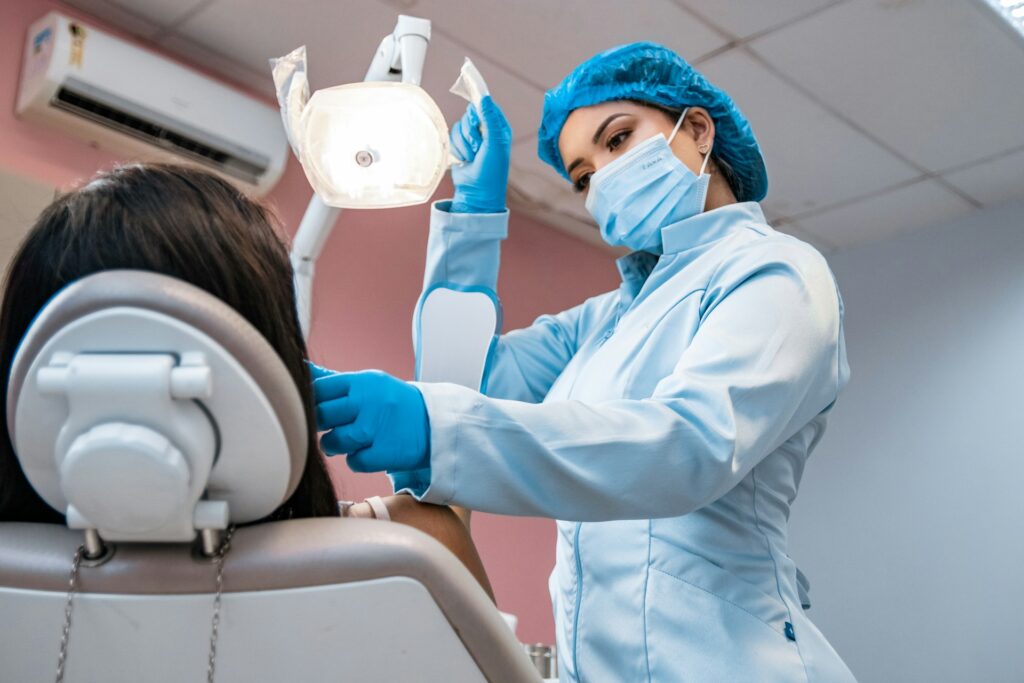
If you’re recovering from a recent tooth extraction in Arlington, you’re probably wondering what’s normal and what isn’t. It’s common to have a lot of questions in those first few days, especially if this is your first time going through the process. From swelling and soreness to changes in your daily routine, healing can feel a little uncertain at first. The good news is most of the early symptoms are expected and part of the body’s process as it adjusts and repairs. This post breaks down what you may experience during recovery, how you can support healing without overthinking every ache, and when it might be smart to call your dentist just to double-check things are on track.
What You Can Expect in the First 24 Hours
The first day after a tooth is pulled is usually the most sensitive. And that makes sense—your body just went through a small procedure and now it’s busy trying to protect and repair the area. A little bleeding is common, especially during the first few hours. You might also notice a feeling of fullness or swelling near the site, which can make that part of your mouth feel puffy or sore.
Once the local numbness wears off, be ready for some soreness to settle in. It can feel dull or throbbing, but usually, it stays manageable. Rest is your best friend right now. That means no heavy lifting, no smoking, and no brushing near the sore spot. You’ll want to keep things gentle so the clot that forms in the spot doesn’t get disturbed. That clot is what protects the bone and nerves underneath and helps your mouth heal.
How Healing Progresses Through the First Week
As you move into day two or three, the swelling and pain should already begin to ease a little. By the end of the week, most people start to feel noticeably better as long as they’ve been resting, eating soft foods, and avoiding things that make the mouth work harder than it needs to. Just be patient—it takes time, but healing gradually adds up.
You might see or feel a small white or yellowish layer form in the spot where the tooth used to be. That’s not a sign of infection. It’s part of your body’s natural healing. Stick to soft, cool or lukewarm foods, and try not to chew on that side. Rinsing gently with salt water around day three can help keep the area clean without hurting the clot, but ask your dentist first if you’re unsure.
Even though the area is healing, try not to poke or touch it too much. It might be tempting to check it constantly, but the less pressure it gets, the smoother recovery tends to go.
What’s Not Normal and Should Be Checked
While most post-extraction healing is routine, it’s important to know when something doesn’t feel right. Pain that gets worse instead of better, or swelling that continues to build instead of going down, could be signs something needs more attention. If you notice pus coming from the site, a bad taste that won’t go away, or a smell that seems off, these may point to an infection.
One issue we sometimes see during healing is a dry socket. That’s when the clot protecting your bone dissolves or gets knocked out too early. The pain can go from dull to sharp in a short period, and it’s usually located deep in the jaw. This can happen two to four days after the extraction. If that’s what you’re feeling, it’s best to talk to a dentist right away.
Another warning sign is feeling like you suddenly can’t open your mouth as wide as usual, or if the skin near your jawline looks red or feels warm. These aren’t common, and when they show up, they usually mean your body might need help getting back on track.
If you’re a patient at Sonria Dentista, you have access to same-day emergency care in Arlington for post-extraction pain, unusual swelling, or concerns about healing.
Caring for the Rest of Your Smile After an Extraction
Once a tooth is gone, the rest of your mouth has to adjust—and not just in the extraction spot. Being gentle with brushing and flossing is key during the first week. That means using a soft-bristled brush and being extra mindful around nearby teeth so the healing area doesn’t get bumped.
If your missing tooth leaves a gap that affects your chewing or smile, your dentist may talk with you about next steps later on. That could mean looking at dental implants, implant dentures, or even fixed implant dentures depending on your long-term goals. Sometimes if a tooth is removed due to crowding, your dentist might bring up braces or aligners to help straighten things out over time. Every mouth is different, and healing is the first step before anything else gets decided.
The goal in these early weeks is simple: keep your mouth healthy. A good home care routine after an extraction sets the stage for a stronger smile down the road.
Healing Well Through Winter in Arlington
The local weather in Arlington really starts to shift in December. As the cool, dry air settles in, it can add a few curveballs to how your mouth feels after a procedure. Cold wind can make your healing spot feel more sensitive when you’re outdoors, especially in the first few days. That’s pretty common and usually gets better with time, but staying inside when the air is extra chilly can help minimize discomfort.
One thing not everyone expects is how dry indoor heat can make their mouth feel. We tend to drink less water in the winter, which can lead to a dry mouth and more irritation around the extraction area. Try to sip water throughout the day, even if you’re not feeling thirsty. It can help keep things feeling smoother.
Skip foods and drinks that are steaming hot or straight from the fridge. Your mouth heals best with mild, soft foods, so things like soup that’s cooled down a bit, yogurt, or scrambled eggs are good go-to options. Being mindful of daily routines during winter can make a big difference in how comfortable you feel while you’re healing.
Moving Through Recovery With Confidence
Tooth removal might sound like a big deal, but the body usually knows exactly what to do once healing begins. Most people in Arlington who recover from a tooth extraction feel better within a few days and are back to normal habits by the end of the first week. Know what to expect, take things slow, and don’t push your body faster than it’s ready to go.
If anything starts to feel off, it’s always better to ask questions than to guess. A straightforward healing process is common, but getting help when something feels different is the part that keeps things from becoming bigger problems. Stay gentle, stay aware, and trust your body knows how to heal when given the chance.
If something doesn’t feel right during your recovery or you’re noticing pain that’s getting worse instead of better, it helps to talk it through with someone who can check things over. Some signs that seem small might point to a bigger issue. If you’re looking for support with a recent tooth extraction in Arlington, we’re here to listen, answer your questions, and help plan your next step. Reach out to Sonria Dentista to schedule a check-in or follow-up visit.