

Our dental office is less than five minutes west of the intersection of I-30 and 360, just north of Hurricane Harbor and Six Flags. We’re also only minutes away from Peach Elementary and Nicholas Junior High School.
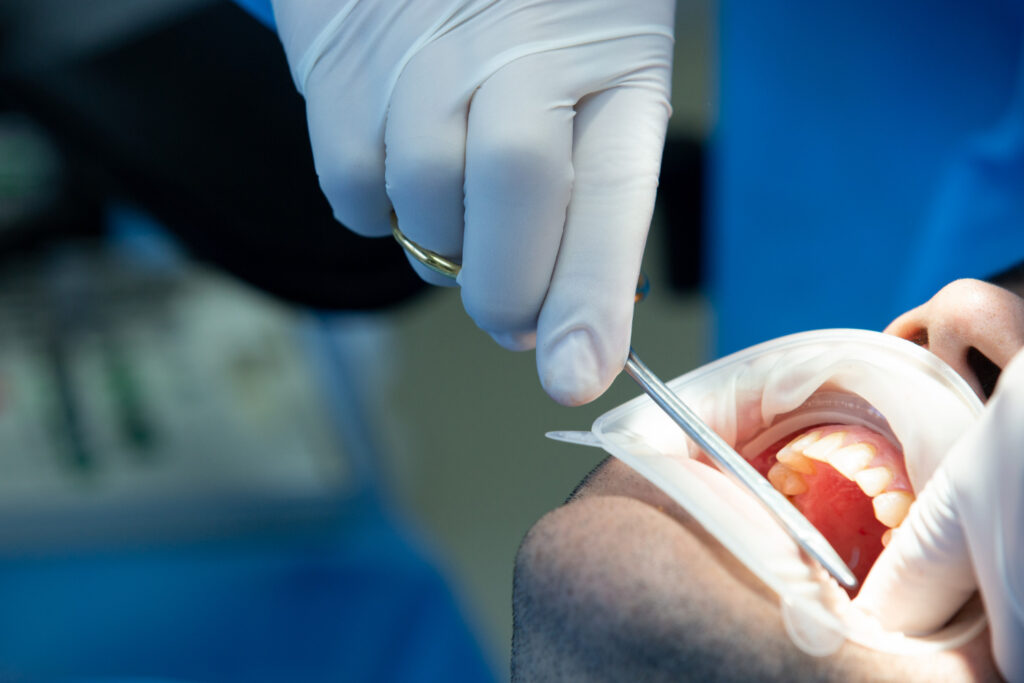
A sudden tooth extraction isn’t something most people plan for, especially right in the middle of winter break or the holidays. But when it happens, things move fast. Whether it’s from a cracked tooth, a deep infection, or a fall on an icy sidewalk, knowing what to do next can make all the difference. Cold weather or holiday stress can make problems feel worse, so staying calm is just as important as acting quickly.
If you find yourself facing a tooth extraction in Arlington this season, having a clear idea of your next steps can ease a lot of worry. Emergencies like this don’t always wait for the perfect timing, which is why being prepared helps protect your comfort and recovery. Let’s take a look at what might lead to a sudden extraction, what to do right after it, and how to get through recovery without trouble.
What Can Cause a Sudden Tooth Extraction
Tooth extractions often don’t happen out of nowhere. There are several common reasons dental pain or damage can suddenly require quick removal. Especially around the end of the year, when people delay treatment or shift into holiday mode, small dental issues can become major fast.
At Sonria Dentista of Arlington, extractions are often recommended when a tooth is too badly damaged or decayed to be saved with treatments like fillings or root canals, or when issues such as impacted wisdom teeth and overcrowding start to affect the rest of your teeth.
Here’s what might trigger an emergency extraction:
• Tooth decay that goes untreated too long can break past the enamel and expose the nerve, leading to pain or infection that basic fillings or even a root canal can’t fix.
• Accidents that chip or knock a tooth loose during a slip or sports activity may require removal when the tooth can’t be saved.
• Impacted or infected wisdom teeth can flare up under pressure, especially around braces, and may be too uncomfortable to leave in place.
• Previously restored teeth, like those with crowns, fillings, or dental implants, can become unstable or develop cracks under stress and cold air exposure.
If any of these happen suddenly, waiting things out usually isn’t the best idea. Fast action can help prevent more pain and slow down the spread of infection. Even if the tooth can’t be saved, you still have options for long-term care once things settle down.
Immediate Steps to Take After a Tooth Is Pulled
Once the extraction is done, it’s important to focus on healing and avoiding problems that could make things worse. The first 24 hours are key. What you do (and what you skip) can either help the site heal cleanly or cause setbacks you don’t want during a busy season.
Some helpful steps include:
• Bite softly but firmly on a clean piece of gauze to keep bleeding under control and help the clot form.
• Keep your hands and tongue away from the area to avoid disturbing it or re-opening the wound.
• Use a cold compress on the outside of your cheek for short periods to help with swelling and reduce discomfort.
• Skip warm drinks, crunchy foods, and alcohol, as they can upset the clot and trigger dry socket.
• Don’t smoke or use drinking straws, since sucking motions can interfere with healing.
It can be tempting to ignore rest during the holidays or jump back into your routine, but staying low-key helps your body do what it needs to. Take short breaks, drink water, and keep the area clean with gentle care.
When to Call an Emergency Dentist
Most extractions are done smoothly, but sometimes things don’t heal the way they should. It’s smart to watch for signs that something’s not going right. If any of the following symptoms pop up, you’ll want to reach out for help quickly before they grow into larger problems.
In Arlington, Sonria Dentista offers same-day emergency dental appointments for severe tooth pain or damaged teeth, performs all types of tooth extractions in-house, and can use sedation to keep anxious patients more relaxed during urgent visits.
These warning signs include:
• Bleeding that won’t stop after a few hours.
• Intense tooth pain that doesn’t ease with cold compresses or over-the-counter medication.
• Swelling that spreads beyond the jaw or around the eye area.
• Trouble opening your mouth or signs of fever, which could point to infection.
• A metallic or foul taste in your mouth that doesn’t go away.
If you’ve had past work with implant dentures, fixed implant dentures, or braces, and that area becomes sore after the procedure, it’s worth checking in. Discomfort around implants doesn’t always feel sharp, but that dull pressure might mean something near the extraction site needs attention.
Getting Back to Normal After Emergency Extraction
The good news is, recovery from a tooth extraction doesn’t usually take long if you keep things simple. Once the discomfort starts to fade, it’s easier to add things back into your routine at your own pace. Staying hydrated and choosing soft food helps the area stay calm and less irritated.
Recommended habits during recovery:
• Stick with soft, lukewarm foods like smoothies, soup, or oatmeal for the first few days.
• Sip water often to keep the mouth moist, especially in cold weather that can dry out tissues.
• Rinse gently with warm salt water after 24 hours to clean the area, but avoid vigorous movement.
• Keep up regular brushing, but skip the extraction zone until it’s no longer sore.
If you have nearby implants or orthodontic gear, a follow-up visit with your family dentist might be helpful. They can check how things are healing and make sure no other pieces were impacted. If future replacements like dental implants are part of your long-term plan, timing those properly after healing is key.
Your Winter Recovery Could Be Smoother Than You Think
A sudden tooth extraction in Arlington doesn’t have to disrupt your entire winter. While the timing of these situations is rarely convenient, your response can make a big impact. Staying calm, listening to your body, and giving the area time to heal properly all go a long way.
Whether you wear braces, have restored teeth, or just feel unsure about a strange sensation after an extraction, winter healing doesn’t need to feel overwhelming. If something doesn’t feel right, it’s always better to ask questions than to wait. With the right steps and a little care, you can feel better faster and get back to enjoying the season sooner.
Pain, swelling, or unusual symptoms after a dental emergency don’t have to interrupt your winter. Our experienced team at Sonria Dentista is here to support your recovery and guide you through every step with personalized care. For trusted help with tooth extraction in Arlington, call us today to speak directly with our staff.