


Sonria Dentista of Arlington Blog

Why Some Kids Need Braces Earlier Than Others

April 5, 2026

Filed under: Dental Treatment — sonriadentista @ 5:00 pm
kids braces

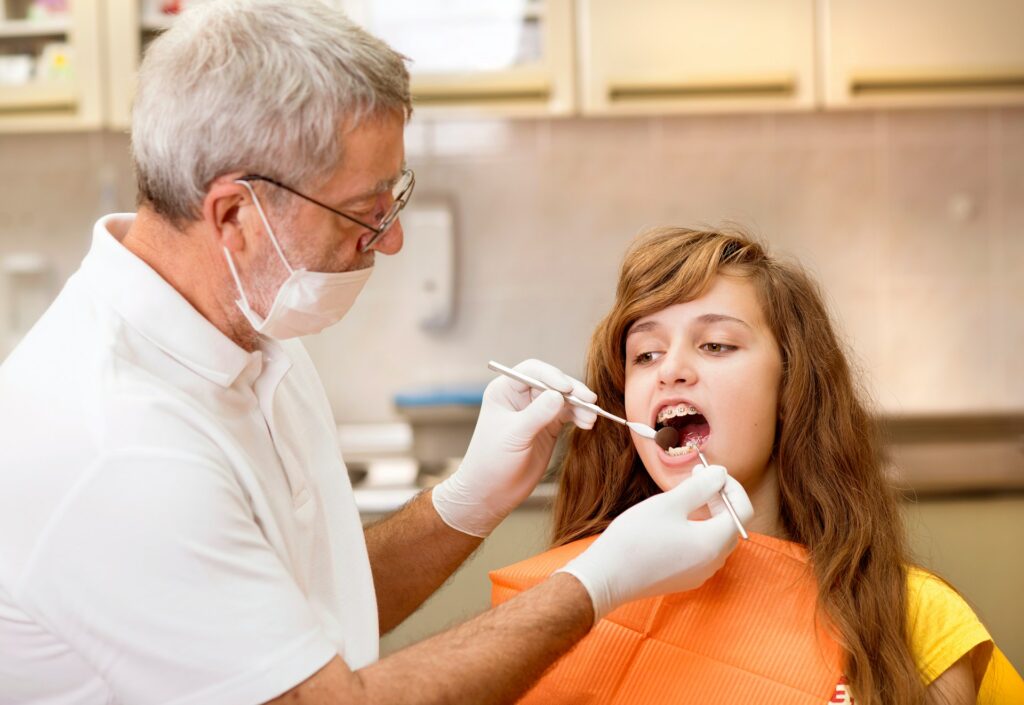
Every kid grows at their own pace, and their teeth do too. Some children lose baby teeth early while others hold on to them for longer. That is why it is not unusual for some kids to need braces much earlier than their friends. It can catch parents off guard when orthodontic treatment is recommended before middle school. Still, there are good reasons why that might happen, especially for families thinking about braces in Arlington, TX. The timing usually comes down to how the jaw is growing, how baby teeth are falling out, and whether any bite problems are already getting in the way.

Early Changes in a Child’s Mouth

Most children start losing their baby teeth around age six, but even that can vary. Baby teeth act like markers, helping adult teeth come in with the right space and direction. If that process does not go quite right, dental alignment can get off track.

Some of the most common early warning signs include:

  • Crowding, where adult teeth do not have enough space
  • Overbites or underbites that affect chewing or speech
  • Gaps or extra teeth that change how the jaw closes

When we see these changes during regular dental checkups, we keep a close eye on them. If they continue or seem like they could affect how a child eats, speaks, or smiles, it might be time to meet with an orthodontist. Early exams do not always lead to braces right away, but they do give us a chance to plan ahead before smaller issues turn into major ones.

When a Child Might Need Braces Sooner

Braces are not just about looks. In many cases, they help correct how the jaw moves, how the teeth come together, and how the mouth functions every day. For some children, these problems begin earlier than expected.

Here are a few signs we watch for that may mean a child can benefit from orthodontic care before their teen years:

  • A continued habit like thumb-sucking after age five
  • Trouble breathing through the nose or constant snoring
  • Baby teeth staying in place too long, or adult teeth coming in sideways
  • Early signs of a crossbite, open bite, or other misalignment

In these situations, waiting to start treatment might allow the issue to get harder to fix later. Some kids are simply born with jaw patterns that need a little help earlier than others. That is why we always look at the full picture, not just the age or number of baby teeth left.

The Orthodontist’s Role in Early Treatment

When we refer a child to an orthodontist, it does not always mean full braces are coming right away. The first visit is usually just an evaluation. The orthodontist will look closely at how the teeth are lining up and how the jaw is growing. Sometimes, they recommend something called Phase 1 orthodontics. At Sonria Dentista in Arlington, an in-house orthodontist offers both traditional metal braces and Invisalign clear aligners for children and teens, so early treatment plans can be tailored to each child’s needs.

This type of early treatment focuses on guiding the growth of the jaw and correcting bite problems while there is still a mix of baby and adult teeth. It is more about shaping the foundation than fine-tuning the finished result.

Phase 1 care may include:

  • Partial braces
  • Removable spacers or appliances
  • Light retainers to guide new teeth into better positions

This early approach can free up room for adult teeth to grow in straighter and more comfortably. It also means the next phase of braces (if needed later) might go quicker and involve less adjustment.

How Timing Helps Resolve Tooth and Jaw Issues

Getting a head start on orthodontics can make a big difference down the road. When bite and spacing problems get fixed sooner, it often means less total time in braces or other devices later in life.

Besides simplifying future treatment, early orthodontic support can improve how kids talk, chew, and breathe. A misaligned bite can cause discomfort or lead to habits like mouth-breathing or tongue-thrusting, which may affect speech and sleep.

Many families looking into braces in Arlington, TX find that a bit of early care helps their kids grow into healthier smiles with more comfort. By making room for adult teeth to find their place naturally, we avoid having to extract teeth or do more invasive work later.

Building Healthy Habits Through Early Visits

Aside from the physical changes braces can bring, early visits help kids build good dental habits. When we bring them in while they are still young, they learn that dental visits are not scary or stressful. They start to feel more comfortable asking questions, brushing carefully, and working with us to take care of their teeth.

These early appointments are also just as helpful for parents. They give us time to talk through what is normal and what might need attention, especially as the child’s bite and teeth continue to change. We work closely with family dentists and orthodontists to keep everything moving in the right direction, sharing notes and updating treatment plans.

This type of routine care builds a stronger connection between the child’s everyday dental habits and their long-term health. The more familiar it all feels, the easier those visits become.

Why Starting Sooner Can Lead to a Healthier Smile

Every child is different, so it is no surprise that their teeth follow different timelines as well. A child may need braces early because their jaw is growing faster or their teeth are crowding quicker. In those cases, starting earlier can lead to better long-term results, fewer complications, and more confidence during those growing years.

Early treatment is not about rushing into braces. It is about noticing when the mouth needs help finding balance and guiding it gently in the right direction. With the right timing, dental care fits more naturally into a child’s life and lays the groundwork for a strong, healthy smile.

Noticing early changes in your child’s bite or jaw development can feel overwhelming, but our team is here to support your family every step of the way. We partner with orthodontic professionals who know when early care makes a difference. Many families discover that learning about braces in Arlington, TX leads to greater comfort and simpler treatments as kids grow. At Sonria Dentista, we are committed to helping each child achieve a confident, healthy smile, and our Arlington office accepts popular PPO plans and Medicaid to help make early orthodontic care more accessible. Contact us today to schedule a visit and find the best options for your family.

Should You Wait to Replace a Missing Tooth with an Implant?

Filed under: Dental Treatment — sonriadentista @ 5:00 pm
Implant

When a tooth goes missing, it’s easy to assume it can wait. Maybe it doesn’t hurt. Maybe the gap isn’t that noticeable yet. But the truth is that an empty spot in your mouth can start causing problems long before it becomes obvious. That’s why more people are thinking seriously about dental implants in Paris, TX as a long-term solution. Some wonder if it’s better to wait, but it’s not always that simple. One missing tooth might not seem urgent at first, but it touches more parts of your smile than you might expect. At Sonria Dentista of Arlington, beginning-to-end dental implant care is provided in one office with an in-house dental implant expert, so planning, placement, and follow-up all happen in a familiar setting.

Why Missing Teeth Matter More Than You Think

A missing tooth doesn’t just leave an empty space. It creates a chain reaction. Teeth hold each other in place, and when one is gone, the others start to shift. That can adjust your bite, affect the way your jaw moves when you chew, and increase wear on teeth that weren’t designed to work as hard.

Here’s how it can quietly cause more trouble:

  • Nearby teeth may begin to tilt or move into the gap
  • Chewing on the opposite side more often can strain your jaw
  • Bone under the missing tooth starts to shrink when it’s not used

That bone loss can even affect later dental work. If someone plans to get braces or other orthodontic care down the road, having gaps can make those treatments harder or slower. Springtime is full of outdoor meals, cookouts, and social events. That’s when many people start to feel the real impact of not being able to chew comfortably on one side. It can get frustrating fast.

What Happens If You Wait Too Long

It’s common to think waiting won’t cause problems as long as you care for the teeth you still have. But over time, the mouth adapts to missing teeth in ways that aren’t always helpful. Tissues and bone are always changing based on how they’re used. If the bone doesn’t support a tooth anymore, it starts to shrink. That makes placing an implant down the line more complicated.

Waiting can also lead to issues like:

  • Drifting teeth that change your bite
  • Gaps where food collects, making gums more likely to get infected
  • Trouble cleaning shifted teeth, which raises the chances of gum disease

Local patients considering dental implants in Paris, TX often come in thinking it’s just about replacing the missing tooth. It turns out they’re also trying to correct all the changes that happened because it was gone for too long. Replacing a tooth early helps avoid those added layers of care.

How Dental Implants Work and Why They’re Different

What makes an implant different from other choices is how it connects to the jaw. Instead of just filling the space above the gums, it replaces the tooth root as well. That means it keeps the bone active, helping prevent the shrinking we mentioned earlier.

Here’s what makes them stand apart from other options:

  • Implants are placed into the bone and then topped with a crown
  • They don’t rely on nearby teeth for support like bridges often do
  • They stay fixed in place instead of being removable like some dentures

Implants can also support more complex setups like implant dentures or fixed implant dentures. This gives people options if more than one tooth is missing or more support is needed. Either way, they tend to feel more natural than treatments that just rest on the gums. At Sonria Dentista, advanced tools like a cone beam CT scanner and digital dental imaging are used to plan implant placement precisely, which helps protect nearby structures and support long-term success.

When Emergency Dental Care Comes Into Play

Most people don’t expect tooth pain until it hits suddenly. Sometimes the root didn’t die all the way. Sometimes older dental work starts to break down. And sometimes what looked like a simple gap turns into a pressure point that gets irritated every time you chew. That’s when fast action becomes important.

Pain, swelling, or infection around a missing tooth can mean it’s time to see an emergency dentist. Ignoring these signs might lead to:

  • Larger infections spreading under the gums
  • Needing a root canal in a nearby tooth that’s now under pressure
  • Gum tissue pulling away, creating deeper pockets for bacteria

We often see these problems flare up when the weather shifts in spring and people are more active, eating out or enjoying family gatherings. If chewing causes pain or if old dental work around a gap starts to hurt, it’s a sign that waiting is no longer a good idea.

Timing It Right: What to Know Before You Decide

So how do you know when it’s time to act? Waiting too long can set off a string of issues, but jumping in too early can feel overwhelming if you’re still adjusting to losing a tooth. There are a few key signs that replacement shouldn’t be postponed much longer:

  • Pain when biting or chewing on that side
  • Shifting teeth that look different from a few months ago
  • Spaces that food keeps getting stuck in or that bleed when brushed

We talk with patients often about how early care helps support more than just the missing space. Planning ahead also helps if you’re considering braces, cosmetic changes, or want to avoid future root canals. A healthy mouth today makes those next steps go a lot smoother. Acting early can be the best way to stay in control of your dental future.

Why Acting Now Helps Protect Your Smile Later

We understand why some people hold off on implants at first. Life gets busy, and it may not seem urgent. But when one tooth goes missing, the rest of your mouth starts picking up the slack. That stress can show up months or even years later, in places that seem totally unrelated.

Replacing a missing tooth sooner keeps your bite balanced, protects nearby teeth, and keeps the bone where it belongs. It also helps avoid bigger treatments later that take more time. Choosing a reliable solution like a dental implant gives your smile the support it needs to stay healthy and strong for years to come. At Sonria Dentista, our Arlington office welcomes popular PPO plans, Medicaid, and low-to-no-interest financing, which can make it easier for patients to move forward with implant treatment before problems worsen.

Noticing changes in how your teeth feel, how you chew, or how your smile looks can be a sign that it’s time to explore your options. Taking action early can help you avoid the stress and expense of more complex dental treatments in the future. We’ve guided many local patients toward healthier smiles by addressing missing teeth before they lead to bigger concerns. To explore dental implants in Paris, TX and find out what’s best for your needs, contact Sonria Dentista to schedule a consultation.

How to Recognize Early Gum Disease Before It Spreads

March 29, 2026

Filed under: Dental Treatment — sonriadentista @ 5:00 pm

Gum disease doesn’t usually start with a big warning sign. No flashing lights, no sudden pain, no major changes you’ll notice right away. But that doesn’t mean it’s not there. In fact, the early stages can move in quietly and stick around, giving plaque and bacteria time to wear down your gums and lead to bigger problems. This is why staying on top of your dental care services really matters. If you know what to watch for, it’s much easier to stop gum disease before it spreads.

Healthy gums support everything else in your mouth. When they’re strong, talking, chewing, and smiling all feel easier. But when early gum disease goes unnoticed, things can change fast. Learning the signs can give you a better chance to respond early, and that saves time, frustration, and discomfort down the road.

What Is Gum Disease and How It Starts

Gums have a simple but important job. They keep your teeth steady and block harmful bacteria from getting too far into your mouth. When gums are clean and cared for, they do their job well. But when plaque builds up along the gumline, bacteria start to take over.

Plaque is a sticky, invisible film made from leftover food and bacteria. It forms every day. If it’s not brushed or flossed away, it hardens into tartar, which is harder to remove and much rougher on gums.

The early stage of this infection is called gingivitis. That’s when your gums might swell a little or turn a deeper red. If gingivitis isn’t treated, it can turn into periodontitis. That stage can cause permanent damage, including gum recession, bone loss, or even loose teeth. At Sonria Dentista in Arlington, gum disease treatment can include deep cleanings such as scaling and root planing to remove plaque and tartar around and below the gumline before the condition becomes more serious.

Easy-to-Miss Warning Signs You Shouldn’t Ignore

Gum disease doesn’t always hurt at first, which makes the early signs easy to overlook. But the body has small ways of showing something’s off. You don’t need to be an expert to catch them. Here are common things we tell our patients to look out for:

  • Bleeding gums, especially when brushing or flossing, even if it’s just a little
  • Bad breath that doesn’t go away soon after brushing
  • Gums that look puffy, feel sore, or seem to be pulling away from your teeth
  • A bitter taste in your mouth or noticing that your gums feel soft to the touch

It’s easy to shrug off a little blood or a weird taste, especially during busy weeks. But these changes often mean bacteria is getting a foothold. Paying attention to your gums during daily care can highlight these early shifts.

Why Early Care Beats Bigger Treatment Later

When gum disease gets ignored too long, the fix can be more intense than a simple cleaning. That’s why we encourage regular appointments, to look closer before hidden problems grow.

Skipping care can lead to tooth pain that keeps you up at night or swollen gums that make eating a chore. At that point, people often rush to an emergency dentist, but by then, the infection may be deeper than it seems.

Serious gum issues can change your whole treatment plan. What starts as mild irritation might later need treatments like:

  • Root canals if the infection spreads beneath the gumline
  • Tooth removal followed by dental implants
  • Implant dentures or fixed implant dentures to replace teeth that can’t be saved
  • Delays in orthodontic care, as unhealthy gums can’t support braces properly

For more advanced gum problems, our Arlington office can use soft tissue laser therapy to remove damaged tissue and reduce bacteria, and antibiotics may be prescribed along with deep cleanings when needed. Catching small gum issues first helps you avoid these outcomes and keeps your future options more open and manageable.

Keeping Your Gums Healthy at Home and in the Office

Taking care of your gums doesn’t have to be complicated. Most healthy routines start at home, with habits that make a big difference over time. The basics still work the best:

  • Brush twice a day using a soft-bristle toothbrush
  • Floss once a day to clear out places the brush can’t reach
  • Skip sugary drinks and snacks when possible, or rinse your mouth with water after

Along with this, we always recommend regular appointments with a family dentist to stay ahead of any changes. It’s easier for us to notice problems early during cleanings. In fact, every part of your dental care services supports your gums. Whether you’re talking about orthodontics, implants, or braces, strong gums help every other treatment go more smoothly. Our Arlington practice uses state-of-the-art tools, including soft tissue lasers for gum treatment, and accepts Medicaid so more patients can keep up with preventive visits and gum evaluations.

Your gums also change a little throughout the year. That’s why spring is a smart time to give them another look. With allergy season on its way and eating habits shifting from winter to spring, your body is adjusting too. Gum health plays a role in how fresh your mouth feels day to day.

Healthy Gums, Healthy Smile

There’s nothing dramatic about the early days of gum disease, but that’s exactly what makes it easy to miss. A little bleeding here, a little swelling there, it doesn’t feel like a big deal at first. But over time, those signs build into much bigger concerns.

By noticing changes early and taking action, you give your smile the best shot at staying strong. Whether it’s brushing more carefully, cutting back on sweets, or asking questions during routine care, small decisions now can help you avoid pain or surprise visits later. Your gums deserve just as much attention as your teeth, and the earlier you notice them asking for help, the easier it is to keep your whole mouth feeling good.

At Sonria Dentista, we believe that even small signs deserve real attention, especially when it comes to something as important as gum health. Issues like soreness, bleeding, or bad breath might seem minor but can lead to bigger problems if ignored. Staying current with your regular dental care services in Arlington, TX, is one of the best ways to protect your smile. Whether you’re due for a checkup or something doesn’t feel quite right, we’re here to help you stay ahead of dental problems before they grow. Give us a call to schedule your next visit.

Understanding Cultural Differences in Dental Anxiety

Filed under: Dental Treatment — sonriadentista @ 5:00 pm
dental anxiety

Going to the dentist makes a lot of people nervous, especially kids. The smells, the sounds, and the unknown parts of a dental visit can feel overwhelming. And for many parents, it’s even more stressful when the child doesn’t speak up about what’s bothering them.

Some families see dental care one way, while others have grown up with very different views. For parents looking for a pediatric dentist in Grand Prairie, this can create extra layers of worry. It’s not just about checking teeth. It’s also about helping kids from different cultural backgrounds feel safe and understood while they’re in the chair. At Sonria Dentista, our bilingual team communicates with families in both English and Spanish, which can help reduce confusion and make it easier for children to express what they are feeling.

Why Some Kids Feel Nervous at the Dentist

Fear at the dentist’s office is more common than people think, and kids often show it in quiet ways. They might shy away, avoid eye contact, or cling tightly to a parent’s hand.

Here are some reasons this can happen:

  • Loud tools can sound scary when a child doesn’t know what they’re for
  • The fear of pain or needles can take over, especially if someone else warned them it might hurt
  • Unfamiliar faces wearing masks and asking questions might feel too intense
  • Kids sometimes worry they’ll get in trouble if they don’t brush well enough

Stories from older siblings or cartoons about tooth pain might make it worse. Even if the child hasn’t had a difficult dental visit before, hearing about someone else’s experience can cause real fear. Without simple explanations about what’s happening, even a normal cleaning might turn into something they dread. Children build and hold onto these memories. A rough start can make them avoid checkups in the future.

How Cultural Backgrounds Shape Dental Fears

Most of us learn about dentists from our families. But what we’re taught varies, depending on where we came from and what our parents were told when they were young.

In some cultures, people don’t talk much about mouths or teeth. They might see it as private or embarrassing. Others might not trust healthcare providers because of negative experiences in their country or community. And if no one in the family went to the dentist when they were younger, bringing a child in now can feel like stepping into something confusing and unfamiliar.

Families who speak a different first language can also feel unsure. They worry that they might not be able to explain what their child needs, or that something important will be missed in translation. This can cause parents to delay regular visits, which lets small problems grow. Even when there’s tooth pain or swelling, some families might avoid making an appointment until it becomes an emergency.

Helping Families Feel More Comfortable in the Chair

One of the easiest ways to ease worry is to talk clearly and simply. Whether a child speaks English, Spanish, or another language, hearing calm words in a kind voice can make a big difference.

We’ve noticed that many kids feel safer when they visit a place that looks and sounds familiar. Bright colors, gentle conversations, and warm greetings at the door help ease their nerves. When families see friendly faces who respect their customs and listen without judgment, it builds trust for future visits. At Sonria Dentista, children’s appointments often include gentle cleanings, age-appropriate education, and time set aside to answer questions so parents and kids both understand what is happening.

Small actions that help comfort kids include:

  • Explaining what’s going to happen before doing it
  • Showing tools before using them so they’re not a surprise
  • Keeping quiet moments during the visit so children can process what’s going on
  • Asking parents what helps their child feel calm

Bilingual support can also take pressure off parents. When questions about care are answered clearly and kindly, they feel more prepared to support their child’s visits. Over time, that comfort turns into confidence.

What Dentists Can Do to Bridge the Gap

When we slow down and listen, we find out what matters to each family. Language isn’t the only barrier. Sometimes it’s about past dental experiences, family beliefs about pain, or not knowing what’s normal for a child’s age.

There are ways every dentist can better support families who feel unsure or nervous:

  • Ask open-ended questions about past visits or how the child is feeling
  • Be patient if answers come slowly or need translation
  • Describe each step using comparisons kids understand, like calling a suction tool a “tiny vacuum”
  • Let the child name one thing they’re curious or scared about so they feel more in control

A pediatric dentist in Grand Prairie who understands health traditions from different cultures is more likely to connect with kids quickly. For example, they may recognize whether a parent wants to be in the room or prefers to give the child space, based on what’s common in their culture. Respecting those differences builds trust and helps make dental care feel more natural and less stressful. Because Sonria Dentista welcomes patients with popular PPO plans and Medicaid, it can be easier for families from a variety of backgrounds to return consistently, which strengthens that trust over time.

Staying Calm Means Better Care

Fear can show up fast, but with the right approach, it can also fade just as quickly. When a child feels seen, understood, and calm, we’re able to do the work we need to keep their teeth and gums healthy. Starting visits early and making them positive sets the tone for the rest of their life.

Comfort builds trust. And when families trust their dentist, they’re more likely to come back, not just when there’s tooth pain or an emergency, but for the regular care that keeps smiles strong. We’ve found that small changes in how we listen, explain, and welcome others can close big gaps in care. Cultural understanding isn’t extra work, it’s just part of making sure every child feels safe to smile.

At Sonria Dentista, we understand how important it is for every child to feel safe and understood during a dental visit. Many parents searching for a trusted pediatric dentist in Grand Prairie value our commitment to cultural sensitivity and gentle care. We prioritize clear communication and strive to create an environment where each family feels welcome and heard. To learn more or schedule an appointment, please contact us today.

Bone Loss After Tooth Loss: How Fast It Happens and Why It Matters

March 22, 2026

Filed under: Dental Treatment — sonriadentista @ 5:00 pm
tooth loss

How a Single Missing Tooth Can Change Your Smile

Losing a tooth affects far more than the gap you see in the mirror. A single missing tooth can change the way your jawbone behaves, how your teeth fit together, and even how your face looks over time. When a tooth is gone, the bone that once supported it begins to shrink, and that quiet process can slowly reshape your smile.  

At Sonria Dentista, we talk with many people who are surprised to learn that bone loss starts fairly soon after a tooth is removed or lost. This bone resorption can influence long-term oral health, facial shape, and the success of treatments like dental implants in Arlington, TX. In this article, we will explain how quickly bone loss can happen, why it matters, and what you can do to protect your smile for the future.  

What Happens to Your Jawbone After a Tooth Is Lost

Healthy teeth and jawbone work together as a team. Every time you chew, bite, or speak, the roots of your teeth send tiny signals of pressure into the surrounding bone. This stimulation tells your body to keep that bone strong, dense, and active. When a tooth is missing, the body notices that the area is no longer being used in the same way.  

Without that steady stimulation from a tooth root, the jawbone in that spot starts to shrink and weaken. Your body essentially decides that the bone is no longer needed at full strength and begins to break it down. This is a natural process, but in your mouth it can lead to long-term problems.  

Losing a front tooth often has a more visible impact because it affects your smile line, lip support, and confidence when you talk or laugh. Losing a back tooth may seem less urgent, since it hides when you smile, but it plays a big role in chewing and supporting your bite. When a back tooth is missing, the bone in that area can still shrink, and neighboring teeth may tilt or shift into the empty space.  

Certain habits and health issues can speed up bone loss around a missing tooth, such as:  

  • Gum disease that damages supporting bone and tissues  
  • Trauma or injury to the jaw  
  • Smoking or tobacco use  
  • Some medical conditions and medications that affect bone health  

That is why we pay close attention not only to the missing tooth, but to the overall health of your gums and jaw during an exam.  

How Fast Bone Loss Starts and How Far It Can Go

Bone changes can begin within the first few months after a tooth is lost. During this early stage, you might not feel any pain or notice anything different, but the bone that once supported the root is already starting to remodel and shrink. The first year after tooth loss tends to bring some of the most noticeable changes to the bone.  

Over time, the jawbone in that area can lose both height (top to bottom) and width (cheek to tongue). The ridge that once held the tooth becomes thinner and less stable. If multiple teeth are missing, these changes can happen across a wider area of the jaw, not just in one small spot.  

Across several years, untreated bone loss can lead to:  

  • Changes in your bite, with upper and lower teeth no longer meeting correctly  
  • Teeth drifting, rotating, or tipping into the empty space  
  • More difficulty fitting or stabilizing dentures or partials  
  • A facial profile that looks more sunken or “collapsed” around the mouth  

Everyone’s rate of bone loss is different. Age, genetics, general health, gum health, and the location of the missing tooth all play a part. That is why early evaluation is so helpful. By checking your bone levels and discussing replacement options promptly, we can often preserve more of what you already have.  

Why Bone Loss Matters for Your Health and Confidence

Bone loss is not only an issue for how your X-rays look. It has a direct effect on the rest of your teeth and your daily comfort. As the bone shrinks around a missing tooth, the teeth on either side can begin to tilt into the space. The tooth that bites against that area may also over-erupt, looking longer because it is searching for contact. These changes can create small, hard-to-clean spaces that trap plaque and bacteria.  

Over time, this can make you more prone to gum disease and cavities between teeth. An unbalanced bite can also strain your jaw joints and muscles, sometimes leading to TMJ discomfort, headaches, or difficulty opening wide without tension. Chewing tougher foods like meat, crusty bread, or raw vegetables can become more challenging when there are fewer stable teeth sharing the work.  

Cosmetically, advanced bone loss can alter the shape of your lower face. Lips may appear thinner, lines around the mouth can deepen, and the chin and nose may seem closer together, which can create a prematurely aged or sunken look. Many people only realize how much difference the jawbone makes to facial fullness after they see old photos of themselves.  

Bone loss also affects what we can safely do to restore your smile. Some treatments, especially dental implants in Arlington, TX, or any other area, require a certain amount of healthy bone for secure placement. When bone has already melted away, treatment may still be possible, but it can become more complex and may need additional steps first.  

Treatment Options to Slow or Reverse Bone Loss

The good news is that we have ways to slow, and in some cases partially reverse, bone loss after a tooth is missing. One of the most effective tools we have is a dental implant. An implant is a small titanium post that we place into the jawbone where the tooth root used to be. Over time, the bone bonds with the implant. When we attach a crown on top, it functions much like a natural tooth, providing the chewing pressure that helps keep the bone active.  

If bone has already been lost, bone grafting can often rebuild some of the volume. In this procedure, we place bone graft material into the area where the ridge has thinned. As your body heals, it replaces that material with your own natural bone, creating a stronger foundation for future restorations or implants.  

There are also non-implant options for replacing missing teeth, such as:  

  • Dental bridges that connect a replacement tooth to neighboring teeth  
  • Removable partial dentures that fill gaps in specific areas  
  • Full dentures that replace all teeth in an arch  

These can restore appearance and function, and they are important solutions for many people. However, they generally sit above the gums and do not stimulate the bone in the same way a tooth root or implant does. That is why they may not prevent bone loss to the same degree. When possible, placing dental implants in Arlington, TX, relatively soon after tooth loss can greatly reduce the amount of bone that disappears in the first place.  

How Sonria Dentista Helps Protect Your Jawbone and Smile

At Sonria Dentistry of Arlington, we care for patients at every stage of life, from children with growing jaws and changing baby teeth to adults facing extractions or already missing teeth. Protecting the jawbone is an important part of how we think about long-term oral health. When we meet with you, we are not just looking at the tooth that hurts or the space that bothers you; we are also looking ahead to how your smile will function and feel in the years to come.  

Our diagnostic process typically includes a thorough exam and digital X-rays so we can see the height and width of your jawbone and the health of the surrounding teeth and gums. This helps us determine whether you are a candidate for treatments like dental implants in Arlington, TX, and whether bone grafting or other steps might be helpful. We provide related services in one setting, including extractions when a tooth cannot be saved, bone grafting where needed, implant placement, and the crowns or other restorations that complete your smile.  

We know that comfort, budget, and personal goals all matter. That is why we take time to explain your options in clear language and help you compare the pros and cons of each choice. For some patients, that might mean moving forward with implants. For others, a bridge or denture may be the best fit while we monitor bone and gum health with regular preventive visits.  

Take the First Step Before Bone Loss Gets Worse

Ignoring a missing tooth, especially one in the back that no one sees, can feel easier in the short term. But below the surface, your jawbone may already be changing. The sooner we look at what is happening and talk through replacement options, the more choices you tend to have. Early attention often means a simpler path to keeping your bite stable and your facial shape supported.  

For anyone in Arlington and the surrounding area who is missing a tooth or has been told that an extraction is needed, understanding bone loss is a powerful first step. By learning how fast it can happen and what can be done about it, you can make informed decisions that protect your smile, your comfort, and your confidence for years to come.

Restore Your Smile Comfort and Confidence

If you are ready to replace missing teeth with a long-lasting solution, our team at Sonria Dentista is here to help you explore dental implants in Arlington, TX that fit your needs and goals. We will walk you through every step of the process so you know exactly what to expect before, during, and after treatment. To schedule your visit or ask questions about your options, please contact us today.

Why Braces Need Extra Cleaning During Spring Allergy Season

Filed under: Dental Treatment — sonriadentista @ 5:00 pm
braces care

Spring in Arlington, Texas, often means blooming trees, rising pollen counts, and a surge of allergy symptoms. For kids and teens already adjusting to braces, it can make their routine a little harder. Stuffy noses often lead to more mouth breathing, which dries things out. That dryness, mixed with extra pollen and congestion, can lead to more buildup around brackets and wires. This is where Commerce orthodontics becomes a big help, offering support and guidance during one of the toughest seasons for oral health. At Sonria Dentista in Arlington, orthodontic care is provided by an in-house orthodontist who offers both traditional metal braces and Invisalign clear aligners for kids, teens, and adults.

Spring Allergies and Their Effect on Oral Health

Allergy season often kicks off with sneezing and nasal congestion. When the nose is stuffy, we tend to breathe through the mouth more often, especially during sleep. That can throw things off in the mouth by reducing natural moisture from saliva.

Dry mouth is tricky for anyone, but for those with braces, it can cause more trouble. Without enough saliva, bacteria grow faster and plaque sticks more easily around brackets. That can lead to bad breath, discomfort, and a higher risk of cavities if brushing isn’t helping enough. Spring allergies can also make brushing and flossing feel less important when everything else feels like a chore.

All these little changes stack up fast. Combine it with itchy eyes and fatigue, and daily dental care starts to feel like extra work. But keeping that routine strong is one of the best ways to limit problems later.

Why Braces Need Extra Cleaning This Time of Year

When the trees and grass start to bloom, there’s more than just beauty in the air. Pollen comes with it, and it sticks to everything, including the mouth. If kids are breathing through their mouths, that pollen can build up on the inside of their lips and mix with mucus or leftover food particles from lunch. With braces, those little pockets around wires and between brackets become hiding spots for gunk.

Add in sweet spring drinks like lemonade or sports drinks that kids grab during outdoor activities, and it becomes even easier for sugar and acid to settle in. During spring, schedules are a little looser, especially as the weather invites more time outside. That often leads to quicker meals, eating on the go, and brushing routines that get skipped or rushed.

Some of the most common reasons braces get messier during spring include:

  • Sticky snacks, sports drinks, and extra sugars sticking to hardware
  • Allergy-related mucus and pollen collecting in the mouth and around appliances
  • Increased outdoor time leading to inconsistent brushing and snacking habits

All these things work together to raise the risk of tooth pain, gum inflammation, and even enamel damage if they’re not caught early.

Easy Daily Tips for Better Cleaning with Braces

Keeping braces clean during allergy season doesn’t have to feel like a full-time job. With the right steps, we can stay ahead of buildup and avoid bigger problems. These are a few small changes that help make a difference:

1. Brush after every meal, not just at night and in the morning. Even snacks can leave behind sugars that cling to wires.

2. Rinse often with plain water or a mouthwash that doesn’t irritate allergy-triggered gums.

3. Use flossers or interdental tools made for braces. They get into spots that regular floss can’t reach.

4. Angle the toothbrush to reach above and below the brackets. It takes a bit more time but clears hidden particles.

Sticking with these habits becomes easier when they’re part of a routine, like brushing right before bed even if allergy meds have made someone tired early.

When to Visit the Dentist or Orthodontist

Sometimes, allergy symptoms slow down brushing no matter how careful someone tries to be. If it starts getting hard to keep the mouth clean, or if there’s any tooth pain or swelling, that’s the right time to get help.

There are a few signs it might be time to check in:

  • Sore teeth, especially in one area
  • Red or puffy gums that bleed while flossing
  • Brackets that seem harder to clean, even with extra brushing
  • A dry mouth that doesn’t go away, even after allergy meds kick in

When brushing and flossing no longer feel like enough, a professional cleaning can catch spots that got missed. Commerce orthodontics can support patients during the spring by customizing care plans around seasonal needs, especially for families dealing with both braces and allergies at the same time. Our Arlington office also accepts popular PPO dental insurance plans and Medicaid, which can make it easier for families to keep up with recommended orthodontic visits during busy seasons.

Healthy Smile Through Allergy Season

Spring allergies may slow some parts of the day down, but they don’t have to get in the way of a healthy mouth. With a few extra moments of cleaning each day and knowing when to ask for help, it’s possible to avoid the bigger issues that come with braces and buildup.

By working brushing around brackets into the routine, rinsing more often, and keeping an eye out for signs of discomfort, kids and teens can stay on track with their orthodontic progress. A little extra care now leads to better results and fewer delays later on, and that makes the warmer season feel a whole lot easier.

At Sonria Dentista, we understand how quickly spring allergy symptoms can make managing braces more challenging, especially with extra pollen and dry mouth affecting your routine. Even small changes can impact how well brackets and wires are cleaned. For families in Arlington, Texas, staying proactive helps keep orthodontic care on track throughout every season. For more support and answers to your questions, our Commerce orthodontics page is a helpful resource. Contact us today to schedule your visit.

Guide to Family Dental Care for All Ages in Commerce

March 15, 2026

Filed under: Dental Treatment — sonriadentista @ 5:00 pm
Family Dental

Taking care of your family’s smile isn’t just about brushing and flossing. Every stage of life brings new dental needs, and knowing what to look for early can make all the difference. From first baby teeth to full sets of dentures, good care starts with understanding how oral health changes over time. When everything is available in one place, that care becomes easier to manage for both kids and adults. Commerce family dentistry makes that possible by offering care for every age, helping families stay on track year after year. In this article, we’ll walk through what that looks like from childhood to senior years, and why it matters to plan ahead.

Starting Young: Dental Care for Kids

The earlier we start, the better the habits tend to stick. Children need to visit the dentist by their first birthday, or when the first tooth appears. That early visit is more about comfort than cavities. It helps kids get used to the sights and sounds of the dental office, and it gives us a chance to spot developing issues before they hurt or cause stress. At Sonria Dentista, our bilingual team speaks both English and Spanish, which can help children and parents feel more comfortable during early visits.

Preventive care matters most at this stage. This includes:

  • Gentle cleanings to remove any early plaque
  • Fluoride treatments to help make baby teeth stronger
  • Fillings if needed to stop small cavities from getting worse

We make sure each visit is simple, kind, and focused on trust. Many children feel nervous about their first few appointments, and that’s okay. We explain everything in kid-friendly terms and take breaks when needed. Over time, young patients get more confident sitting in the dental chair, which builds the foundation for stronger health long term.

Teen Years and Smiles in Transition

Teenagers deal with changing teeth and busy schedules, both of which can affect their oral health. These years are often when braces or clear aligners come into the picture. Orthodontics help adjust alignment, improve bite, and make future cleaning easier. We keep an eye on how permanent teeth are coming in and whether wisdom teeth may need to come out before they cause pain or crowding.

Teens also face decisions every day that affect their smiles. Here are a few things we help them stay on top of:

  • Sugary snacks and sports drinks that wear down enamel
  • Brushing and flossing habits that can slip during busy routines
  • Mouthguards for athletes who want to protect their teeth during games

This phase is about accountability. We guide teens toward taking ownership of their own oral care, helping them see why those routines matter now and even more later.

Keeping Adults Smiling Strong

As life speeds up with work, family, and stress, adults often wait too long to treat dental issues. Small problems build up quickly when ignored, whether it’s a lingering sensitivity or a sore spot near the gumline. We see a lot of avoidable tooth pain that eventually leads to bigger treatment needs.

Commerce family dentistry helps adults stay on top of care by keeping things flexible and convenient. At our Arlington practice, we accept popular PPO dental insurance plans and Medicaid, making it easier for adults to plan needed care without delaying treatment. During adult years, common problems like gum disease, cavities, and worn-down enamel become more noticeable. It’s also when many people start to need help with missing teeth or older dental work breaking down over time.

Some helpful solutions include:

  • Root canals to treat infections and save natural teeth
  • Dental implants for lasting replacements that look and feel real
  • Fixed implant dentures that feel more secure than traditional ones

By approaching each concern early, we can usually keep the treatment small and the recovery smooth.

Senior Dental Needs and Comfort

Later years usually bring a different kind of challenge. Gums might recede. The mouth may feel dry more often. Biting pressure can shift as natural teeth wear or get replaced. These changes happen slowly, but they can affect how someone eats, talks, and smiles.

Dentures, whether traditional or supported by implants, play a big role for many seniors. A good fit is key to comfort and confidence. We check for:

  • Loose dentures that might need adjusting or replacing
  • Signs of infection along the gums or under the denture base
  • Tender spots that make chewing hard or limit food choices

Just like younger patients, older adults benefit from regular checkups. Even without natural teeth, the gums and jawbone still need attention. With the right dental plan, those later years can still come with a full, functional smile.

What Year-Round Family Care Looks Like

Every season brings its own to-do list. In early spring, allergy season hits hard in many parts of the state. That sinus pressure can sometimes feel a lot like tooth pain, especially in the upper mouth. When parents bring their kids in for checkups this time of year, we often end up helping the whole family sort out what’s going on.

School-year forms, sports clearance letters, and back-to-school exams are other examples of how families benefit from one dental provider. We know which child just had braces removed and which grandparent might struggle with a loose denture. Our Arlington office is open Monday through Friday from 9:00 am to 5:00 pm and on Saturdays until 2:00 pm, so families can book visits around school, work, and other activities.

Here’s why it helps to keep all care in one place:

  • Familiarity with each person’s dental history
  • Easier to schedule multiple appointments without extra driving
  • Shared comfort and trust, especially for younger children following their parent’s lead

Commerce family dentistry makes things smoother for families by offering year-round support in one location, no need to coordinate between offices for every age group.

A Healthier Smile at Every Age Starts Here

When families have one dental space that knows them well, they’re more likely to stay consistent with cleaning appointments and treatment. Kids who feel safe and comfortable in the chair tend to keep up the habit well into adulthood. Aging parents feel confident asking questions when they’ve known their care provider for years.

Staying ahead of small changes is easier when everyone is involved. And while each generation has different needs, the goal is always the same, comfort, function, and a smile that lasts. Whether it’s a toddler with new teeth or a senior adjusting to dentures, support from a community-based practice keeps oral health simple and stress-free. Commerce, Texas, families deserve that kind of care all year long.

At Sonria Dentista, we make dental care simple and accessible for families in Arlington, Texas, at every stage of life. Whether you’re scheduling a child’s first cleaning or exploring dentures for a parent, having all your dental needs met in one place saves time and builds lasting trust. Our team offers consistent, caring support that adapts as your family’s needs evolve. For those looking for local expertise with Commerce family dentistry, we’re here to ensure every visit is comfortable and straightforward, call today to schedule your appointment.

How Tooth Pain and Sinus Issues Can Be Telling Different Stories

Filed under: Tooth Pain — sonriadentista @ 5:00 pm
Tooth Pain

Tooth pain can be hard to pin down, especially when there doesn’t seem to be a clear reason for it. One minute everything feels fine, and the next, there’s a dull ache or sudden twinge that doesn’t go away. What makes it more confusing is how similar some sinus problems can feel compared to a real tooth issue. We often see people who aren’t sure what’s going on or where the pain is even coming from.

If you’re in Arlington, TX and you’re trying to figure out what’s causing that face or tooth discomfort, it helps to know that sinus congestion or infections might be part of the picture. A trusted dentist in Arlington, TX can help sort out whether the pain’s coming from a tooth, sinuses, or something in between. At Sonria Dentista of Arlington, same-day emergency dental appointments are available for urgent tooth or facial pain, so you are not left wondering for long when symptoms suddenly worsen.

When Tooth Pain Might Not Be a Dental Problem

Sometimes, what feels like a tooth problem isn’t really coming from the tooth itself. The roots of your upper back teeth are located right next to your sinus cavities. When those sinuses get inflamed from a cold, infection, or allergies, they can push down or send pressure toward the teeth.

That’s why mouth pain with sinus trouble tends to show up in several top teeth at once. If more than one area on the same side feels sore and you’ve been having symptoms like a runny nose or sinus pressure in your forehead or cheeks, sinuses could be the real reason.

Look out for these signs that discomfort may be sinus-related:

  • Feeling pressure in several upper teeth, not just one
  • Increased pain when bending over or during allergy flares
  • Nasal congestion, a post-nasal drip, or sinus pressure at the same time as tooth pain

It’s easy to see how this could be confusing, especially when the pain shows up strong but without a crack, cavity, or swelling around the teeth.

Signs It Might Really Be a Tooth Problem

When a problem is truly in the tooth, the pain usually feels more focused and sharp. It might hit when you drink something cold or bite into food just right. And usually, only one tooth is involved.

A few signs that point more toward a dental issue include:

  • Sharp or throbbing pain that doesn’t go away
  • Sensitivity to hot or cold that lingers
  • Pain that gets worse when biting down
  • Swelling or a visible hole or crack in a tooth

Tooth-related pain often sticks around longer and can have other triggers like sweet foods or even brushing. Dental problems like cavities, infections under the root, or cracked teeth bother you in a different way than sinus congestion does. They feel more personal, more like something is wrong in one little spot.

Why It’s Important to Get a Professional Opinion

It might seem harmless to wait and see if the pain will go away, but sometimes that delay can make things worse. Guessing wrong leads to more discomfort, and it can give an infection time to spread or get deeper into the tooth.

That’s why seeing someone who can take a close look makes so much sense. We can use X-rays, check for swelling, taps, or signs of infection, and even identify if your sinuses are thickened from pressure. Getting the cause right means choosing the right fix, and that can be anything from allergy treatment to a root canal. Without a full check, it’s hard to know which one you really need. Our Arlington office is open Monday through Saturday and welcomes popular PPO dental insurance plans and Medicaid, which can make it easier to schedule an exam when pain shows up unexpectedly.

Seasonal Allergies and Sinus Pain in Spring

Spring is where things get tricky around here. In Arlington, Texas, tree pollen and outdoor allergens start to spike in March and April. We hear from a lot of people during this time who think they chipped a tooth, but once things settle down from allergy season, the pain fades.

The thing is, sinus issues in springtime don’t always come with the same cold and flu signs. Sometimes all you feel is pressure in your cheeks or under your eyes, and then suddenly your back teeth feel sore. It’s not unusual for people to assume it’s a dental problem because the discomfort can feel so similar.

Sinus pressure often changes during the day too, especially with shifts in the weather or air quality. That’s different from the way dental pain tends to sit there and linger, no matter what you’re doing.

When to Visit the Dentist Sooner Rather Than Later

Some pain is worth waiting a little bit on, like if there’s been a cold and you’re pretty sure your sinuses are the issue. But other signs mean you shouldn’t wait too long.

Here’s when you should call without waiting:

  • Swelling in your gum or face
  • Pain that keeps you up at night
  • Fever or feeling generally unwell
  • Intense pain when chewing
  • A single tooth that hurts more than the others

Even if the pain turns out to be from your sinuses, we can help figure that out faster too. It’s better to know early than wonder through weeks of discomfort. If you need a dentist in Arlington, TX, make sure that person understands both dental and sinus connections. That experience can get to the root of the problem faster, and sometimes save time by clearing confusion between infections or inflammation.

Getting to the Bottom of Tooth or Sinus Pain Fast

Face, mouth, and tooth pain can come from different places, but they sure can feel the same. That’s part of what makes it so frustrating for people trying to figure it out. By keeping track of symptoms like pressure patterns, number of teeth involved, or how long the discomfort lasts, you can get a better idea of whether it’s more likely related to your teeth or your sinuses.

We help people sort through these overlapping troubles every day. Spotting those different signs makes it easier to know when to act, what kind of help you need, and where to start. When the pain in your face won’t give you a break, trust that it’s worth getting checked, no guesswork needed. As a one-stop dental practice in Arlington, we can handle everything from checkups and X-rays to restorative treatments in the same location, which makes it simpler to move from diagnosis to relief.

Struggling to tell if your discomfort is due to seasonal sinus pressure or true tooth pain? Talking with a trusted dentist in Arlington, TX is the safest way to get clear answers. At Sonria Dentista, we take the guesswork out of nagging aches so you can stop worrying and focus on your well-being. Whether you need a quick exam or a deeper look with X-rays, our team will find out what’s going on and provide the right care for you. Don’t wait for pain to get worse, reach out to schedule your visit today.

What You Should Know About Bilingual Dental Care in Arlington

March 8, 2026

Filed under: Dental Treatment — sonriadentista @ 5:00 pm
Dental Care

Being able to talk openly with your dentist matters more than most people realize. When you or your child is in pain and struggling to explain what hurts, a language barrier can make an already tough situation worse. In a diverse community like Arlington, Texas, bilingual care gives families a better way to connect with their providers. From regular checkups to surprise toothaches, having dentists in Arlington, TX who speak your language can change the way care feels. At Sonria Dentista in Arlington, our bilingual dental team speaks both English and Spanish so patients can share concerns, review treatment options, and ask questions in the language that feels most natural.

This kind of support makes everything clearer. It helps patients understand choices during big treatments and lets parents feel more involved in their children’s care. We often hear from families who feel more confident just knowing they’ll be understood from the moment they walk into the office. That’s the difference bilingual care can make.

What Bilingual Dental Care Means

Bilingual dental care means more than just greeting patients in another language. It shows up in every part of the visit. From reviewing a medical history to explaining what to expect from braces, it’s all about clear, respectful communication that helps people feel safe.

Here’s how it helps during common dental visits:

  • Patients can explain their symptoms without confusion
  • We’re able to go over treatment options like root canals or tooth extractions in ways that make sense
  • Families can be part of the care plan instead of feeling left out

When someone is nervous or has avoided the dentist for years, speaking their preferred language can remove a lot of fear. It sets the tone for a better relationship, one that’s based on trust, not guesswork. And for kids watching their parents during a visit, that calmness really matters.

Why It Matters for Dental Emergencies

Tooth pain doesn’t wait for a good time. It often shows up fast, and when it does, families may scramble for help. Getting care is hard enough without worrying about whether you’ll be understood. That’s where language support makes a big difference.

When you can explain exactly what’s hurting, emergency care moves quicker and feels less scary. This is especially important during visits like:

  • Emergency root canals, when infection or localized pain needs quick treatment
  • Same-day extractions, when a damaged or abscessed tooth can’t be saved
  • Swelling and trauma, where understanding symptoms quickly is key

For kids, these moments can be especially intense. Hearing the dentist speak the language they use at home helps them calm down. It also helps parents know what’s happening, what comes next, and when to ask follow-up questions. That kind of connection matters most when time is short and emotions run high. At Sonria Dentista, same-day emergency dental appointments are available when possible, so patients in pain can be seen quickly and have their options explained clearly in English or Spanish.

Support for Long-Term Dental Treatments

Some dental treatments take more than one visit. Planning for bigger care, like dental implants or implant dentures, can get overwhelming if you don’t fully understand the steps. That’s why clear communication in your preferred language isn’t just helpful, it can shape the entire experience.

We walk patients through things slowly, answering each question in the language that feels natural to them. This matters most when it’s time to talk about details, such as:

  • The difference between fixed implant dentures and removable options
  • How long healing will take
  • What to expect between appointments

Without clear information, these treatments can seem confusing or even scary. Bilingual care helps reduce those feelings and makes the process easier to follow, from the first consultation to the final fit.

Comfort and Confidence During Family Visits

A lot of our patients come in with their families. That means parents, grandparents, teens, and little kids may all be in the room during some visits. When everyone understands what’s being said, the whole appointment goes smoother.

We hear time and again how much it helps when parents can explain dental care to their kids using words they’re used to. It’s just as helpful when teens in braces understand how to care for their aligners or remember what foods to avoid. And it’s not just about the treatment, it’s about making sure each family member can be part of the discussion. Because Sonria Dentista welcomes patients of all ages and accepts popular PPO plans and Medicaid, many families in Arlington can bring everyone to the same office for both preventive care and more advanced treatment.

Here’s how bilingual care adds comfort during family visits:

  • Explaining daily routines like brushing or flossing in a way kids understand
  • Making orthodontic care easier by walking teens through each step
  • Letting every family member ask their own questions

That kind of open communication helps build good habits and creates a lasting sense of trust in dental care.

A Smarter Way to Feel Understood at the Dentist

Finding dentists in Arlington, TX who speak your language is about more than just easing conversation. It changes how care feels. You’re not guessing what’s being said or nodding along without being sure. You’re part of what’s happening, whether it’s a quick cleaning or a more urgent visit for pain or swelling.

It doesn’t matter if this is your first trip or your first time back in a long while, bilingual care helps remove stress. It turns what used to feel confusing into something that feels manageable and clear. And that’s true for every member of the family, from the youngest to the oldest. When words don’t get in the way, good care becomes easier for everyone.

At Sonria Dentista, we know how important it is to feel comfortable and understood when it’s time to get care. Whether it’s a routine cleaning or a dental emergency, patients rely on clear communication to make confident choices about their treatment. That’s why we’re proud to support families looking for trusted dentists in Arlington, TX who speak their language and understand their needs. From checkups to complex procedures, we help make each visit feel more personal and less stressful. Questions about our services or ready to schedule an appointment? Just give us a call.

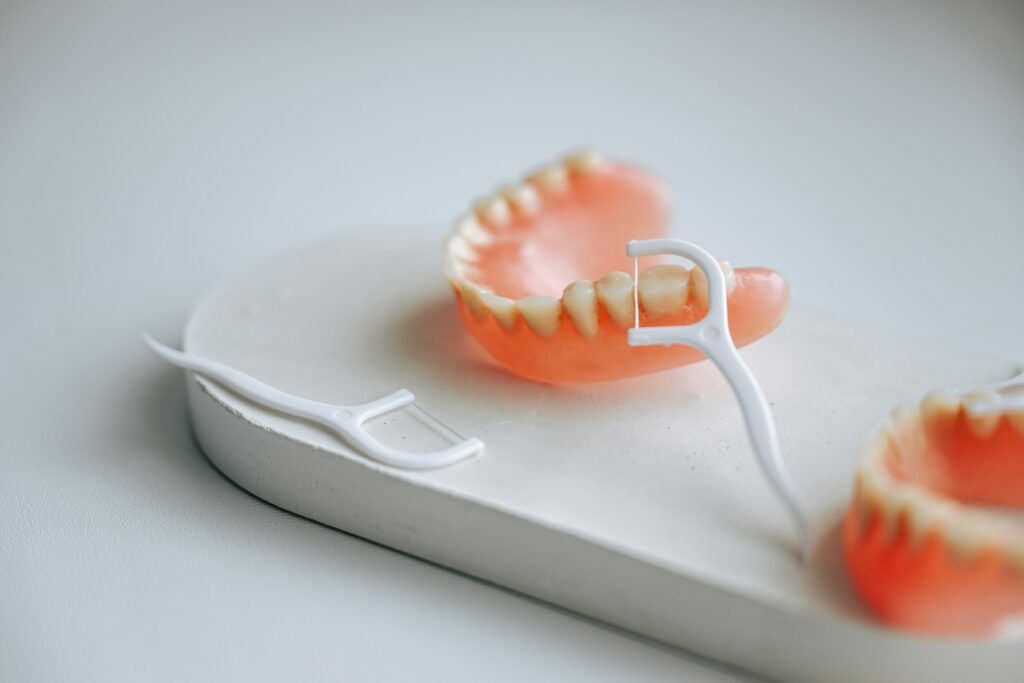
Tips for Keeping Implant Dentures Clean During Allergy Season

Filed under: Dental Treatment — sonriadentista @ 5:00 pm
Dentures Clean

Spring allergies can make denture care feel more complicated than usual. For people with implant dentures, the change in weather does not just bring flowers and green trees. It can also bring sneezing fits, dry mouth, and sinus pressure, all of which affect how comfortable and clean your denture feels. Things like pollen and post-nasal drip often show up without warning, and when they do, even everyday brushing might not feel like enough.

The good news is, there are simple ways to keep up with oral care during allergy season. We understand how everyday routines shift in Arlington, Texas, during the spring, so we have gathered helpful tips that keep dentures feeling fresh and lower the chances of irritation. At Sonria Dentista of Arlington, dentures and implant dentures are crafted from lifelike materials that look natural and are designed to improve daily activities like eating and speaking, which makes good seasonal care even more important.

How Allergy Season Affects Denture Care

Dry air and allergy symptoms do not just affect your nose. They also affect your mouth, especially when using implant dentures. Common allergy treatments like antihistamines may reduce sneezing, but they often dry out the mouth.

Here is how allergy season often changes daily care:

  • Dry mouth can let plaque build up more easily around implants
  • Sinus drainage creates a sticky feeling that makes the mouth feel less clean
  • Extra sneezing or coughing can move dentures around, especially if they are not fixed properly

Less saliva means it is harder to rinse away food or allergens naturally, which can make dentures feel uncomfortable. Some people notice their breath changes or their gums start to feel sore, especially if they do not clean their dentures more often during peak pollen times. It helps to know these issues ahead of time and respond early. Since implant dentures at our Arlington office are secured to small titanium posts beneath the gumline, keeping the gum area clean and free from extra buildup is an important part of staying comfortable when allergies flare up.

Simple Daily Habits to Keep Implant Dentures Clean

If spring weather is turning your mouth dry or uncomfortable, small changes to your routine can go a long way. Instead of adding time, they often replace steps that do not work as well during allergy season.

Try adding these habits throughout the day:

  • Rinse dentures after meals using lukewarm water
  • Use a soft brush to clean both your gums and denture surfaces gently
  • Carefully clean around implant posts and fixed pieces to clear away any spring dust or saliva buildup

Brushing too hard does not make your dentures cleaner. It may damage the material or hurt your gum tissue, especially when your mouth is already dry. A soft brush, paired with a little extra rinsing, keeps surfaces smooth and helps avoid itching or discomfort. If pollen is high or you have been outside for a while, giving your mouth a faster rinse before bed can help too. With regular care and gentle cleaning at home, dentures from our Arlington practice can often last for many years.

What to Avoid During Allergy Season

Some everyday choices get trickier when allergens are high. It can be tempting to grab a sugary snack when your throat feels dry. Or to skip brushing when you are tired from sneezing all day. But a few smart changes can make allergy season feel more manageable.

Try to avoid things that might cause problems:

  • Skip sticky candies or sugary drinks that cling to your denture and cause buildup
  • Do not ignore signs like tissue swelling or a denture that feels looser than usual
  • Limit outdoor activity during peak pollen times if you find your mouth stays drier afterward

Even fixed implant dentures that usually stay in place might feel less secure during a bad allergy week. If you are feeling added pressure or dealing with a runny nose nonstop, it may make your denture more noticeable in your mouth. Pausing for extra care during these days helps prevent small issues from getting bigger.

When to Check in with Your Dentist

Sometimes no matter how careful you are, allergy season still brings change. Your mouth might feel tighter, uncomfortable, or more sensitive in ways it does not during the rest of the year. That is when a quick check with your dentist can help keep you on the right track.

Here is when we usually recommend scheduling a spring visit:

  • If your denture no longer feels snug or seems to move when you sneeze or speak
  • If allergy medicines make cleaning harder or leave your mouth feeling sticky all day
  • If you notice new symptoms like pain, redness, or swelling around implants

A routine visit helps us check for pressure points, sore spots, or misalignment. You can also ask about denture brushes, rinses, or mouth sprays that might be better for the season. Sometimes even switching to a different toothpaste can reduce dryness. Taking the time for these small updates can help your mouth stay comfortable through the month. Our team can also review whether adjustments or repairs are needed so your implant dentures continue to fit securely on their supporting posts.

Clear Steps Lead to a More Comfortable Season

Spring in Arlington means warmer weather, longer flowers, and brighter days. But for people wearing dentures in Arlington, Texas, it may also bring more sneezing and pressure than usual. Keeping up with rinsing, brushing, and check-ins makes a real difference.

Every mouth is different, and every allergy season can feel different too. But when we are aware of how symptoms affect the way we care for our dentures, it is easier to adjust without stress. Simple habits and smart timing help protect not just your smile, but also your comfort and peace of mind as the seasons shift.

At Sonria Dentista, we understand that spring weather in Arlington can affect more than just allergies and may even impact the way your dentures feel and fit. Noticing changes in comfort or finding it harder to keep your dentures clean could be a sign to check in with us. Keeping up with your oral care during high pollen months helps protect your gums and implants. To learn more about proper care for dentures in Arlington, Texas, give us a call today.

« Newer Posts — Older Posts »